

Photo by Reilly Cook on Unsplash
You step up to the first tee, tension in your shoulders, and stab a cheap wooden peg into the ground. It snaps on impact, your ball veers right, and you're already reaching for another. Sound familiar? That tiny, overlooked piece of gear at your feet might be quietly sabotaging every single drive.
The good news: the humble golf tee is one of the easiest, cheapest upgrades in the game — and once you understand how it actually affects launch, spin, and friction, you'll never grab a random splintered peg again. Let's fix it.
⚡ Why Your Golf Tee Matters More Than You Think (And What's Actually Fixable)

Here's the myth most golfers believe: "A tee is a tee — it just holds the ball up." Not quite. The moment your clubface makes contact, the ball has to leave the tee. How cleanly and quickly it does that affects launch angle, spin rate, and how much energy transfers into the ball versus getting eaten up by friction and drag.
A tee that grips the ball too tightly, sits at an inconsistent height, or flexes at impact can add variables to your tee shots. What's fixable? Almost all of it. You can't buy a new swing overnight, but you can control your tee height, your tee material, and how little friction the ball fights on the way out. That's a simple setup upgrade waiting to be claimed.
🏌️ The 5 Highest-Impact Golf Tee Changes
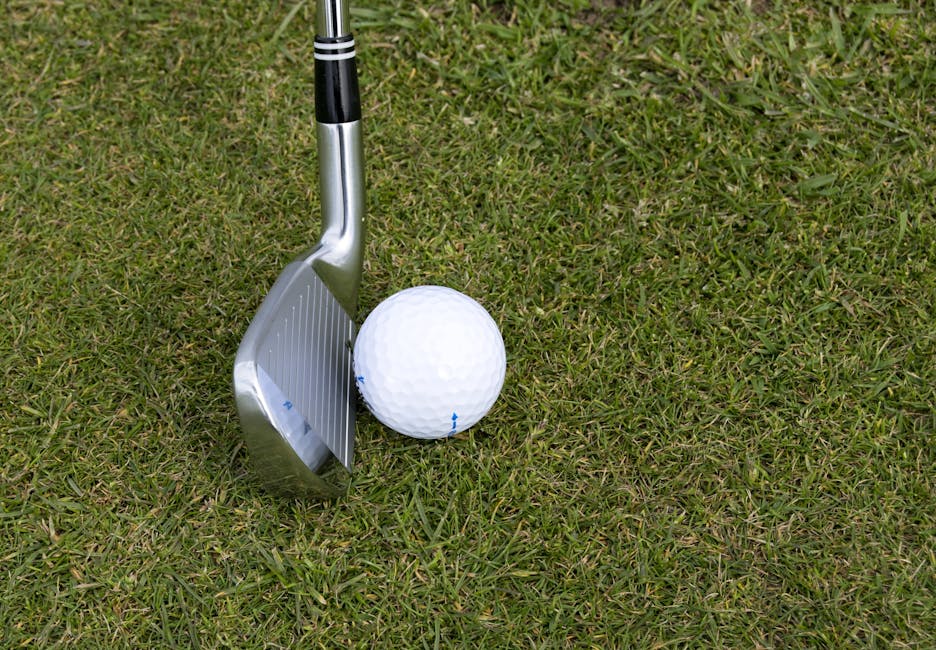
1. Lock in a consistent tee height
Inconsistent tee height is the silent killer of good tee shots. For a driver, aim for roughly half the ball sitting above the crown of the clubface. Tee it the same way every single time and you remove one huge variable from your launch. Consistency here alone can tighten your dispersion dramatically.
2. Match tee height to the club
A driver wants the ball high to catch it on the upswing and launch high with low spin. An iron off a par-3 wants the ball barely off the turf. Using the same height for everything is a mistake — dial it in by club and you'll strike the sweet spot far more often.
3. Reduce friction at the contact point
This is the one most golfers never consider. The less the ball has to "peel" off the tee, the less tee contact stands between your swing and the ball. Low-friction, performance golf tees are designed so the ball peels off with minimal tee contact, letting your own swing do its work.
4. Stop fighting your slice at the tee
A wobbly or over-gripping tee can add variables before your clubface even finishes its job. If your standard miss is a slice, your tee could be one setup factor worth ruling out. A stable tee that sits at the same height every time removes one setup variable, so you can trust your own swing to control ball flight.
5. Choose durability over the freebie bin
Cheap wooden tees snap, splinter, and shift height on every shot. A tee that survives impact and returns to the same position round after round pays for itself in consistency — and saves you from constantly digging for a fresh one.
🎽 The Complete Golf Tee Stack
Here's how it all comes together. The best-performing setup pairs a consistent tee height with a low-friction, performance-designed tee that releases the ball cleanly. That's exactly the category Graavee's performance tees live in — engineered to minimize tee-to-ball friction so the ball releases cleanly, letting your own swing energy do its work.
Want to see the science and the specific benefits? Start with our deep dive on how Zero Gravi-Tee improves drive distance and accuracy, then compare the approach in performance tees vs traditional tees. If low-friction launch is a new concept for you, our complete guide to low-friction launch technology breaks it all down.
Ready to build your stack? Browse everything in one place.
⭐ What Graavee Customers Are Reporting
Across feedback, a few themes come up again and again. Golfers commonly mention that their tee shots feel more consistent — that the ball comes off cleaner and they're not fighting the tee. Some describe a more repeatable setup shot after shot. These are individual experiences and results vary with each golfer's swing and setup.
Others point to durability, noting they're no longer snapping tees every few holes. And plenty simply say the setup feels more repeatable — same height, same release, shot after shot. As always, results vary with your swing and setup, but the recurring themes are consistency, clean release off the tee, and confidence standing over the ball.
✅ Your Action Plan
- Pick a target tee height for your driver — about half the ball above the crown — and repeat it every time.
- Adjust height by club: high for driver, low for irons off a par-3.
- Switch to a low-friction, performance golf tee to reduce tee contact at impact.
- If you slice, rule out your tee as one setup variable before overhauling your swing.
- Ditch the flimsy freebie tees for something durable and repeatable.
- Track your dispersion over a few rounds and see how the upgrade fits your game.
📚 Related Guides
- Do Golf Tees Actually Affect Distance? The Science Behind Low-Friction Launch
- Is Your Slice Caused by Your Golf Tees?
- How to Stop Slicing Off the Tee: The Complete Fix Most Golfers Miss
- How to Add 20 Yards to Your Drive: The Complete Guide for Golfers Over 40
❓ Frequently Asked Questions
Does the type of golf tee really affect distance?
Your golf tee is part of the setup that determines launch angle, spin, and how much friction the ball fights on the way off the tee. A low-friction tee lets the ball release with less tee contact, so your own swing energy can do its work. It won't replace a good swing, but many golfers find a low-friction tee helps them get cleaner contact.
What height should I tee the ball for a driver?
A good rule of thumb is to have about half the golf ball sitting above the top edge (crown) of your driver at address. Teeing it high helps you catch the ball on the upswing for higher launch and lower spin — a recipe for more carry.
Can my golf tee cause a slice?
It can be one setup factor. A tee that grips the ball too tightly or sits inconsistently adds a variable before the clubface finishes its work. If a slice is your regular miss, a stable, consistent-height golf tee is a quick, cheap thing to rule out.
Are performance golf tees worth it in 2026?
For most golfers, yes. Performance golf tees are engineered for consistent height and reduced tee-to-ball friction, which supports shot-to-shot repeatability. Given how inexpensive tees are compared to a new driver, it's one of the highest-value setup upgrades in your bag this year.
How high should I tee an iron off a par-3?
Much lower than a driver — just enough to lift the ball slightly off the turf so you can strike it with a descending blow. Some players tee it so the ball barely sits above the grass. The goal is a clean, ball-first strike, not extra launch.